

If you’re a millennial, your introduction to the stock market may have been anything but straightforward. Maybe you remember the 2008 crash during your college years or the more recent wild GameStop saga. Or maybe you got into trading stocks on Robinhood, made some money, and then lost a lot more. You might have had coworkers pushing you to buy shares in their favorite company, claiming, “Trust me, it’s going to go up.” With noise all around, the stock market can feel overwhelming.
The stock market can be one of the most powerful tools for building real wealth, but its benefits and risks partly depend on having a clear understanding of how it works – and how it doesn’t. Let’s break it down and clear up the confusion.
What The Stock Market Is NOT
It IS NOT a gambling platform or get-rich-quick scheme
Despite what many new “investors” are doing on various financial platforms, the stock market is not a casino. If you’re chasing quick gains with meme stocks, cryptocurrency, or by following the latest “hot tip” on TikTok, let’s be clear: you’re not investing – you’re gambling. It’s no different than sports betting or going to the casino.
You’ve probably seen friends or “influencers” claiming to have made big money via the market. Maybe they did, but what you don’t hear are the stories of those who lost money – only the winners. For every story of a 1,000% return, there are countless more people who lost their savings chasing hype.
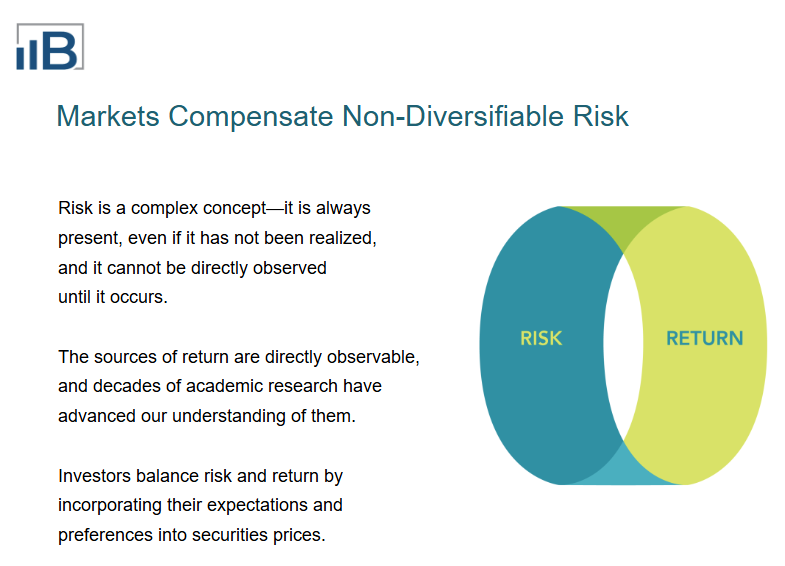
Remember: Risk and reward are inseparable, there’s no such thing as a “free lunch”.
It IS NOT “rigged”
Every once in a while, I hear people say, “The stock market is rigged; the Wall Street guys always win; I won’t invest because XYZ. More often than not, these are the same individuals who YOLO’d into the market, lost money quickly, then blamed the market when things didn’t work out. Market volatility is a normal part of investing, and typically, success comes from staying focused on long-term growth.
It IS NOT the economy
Lately, you’ve probably been hearing a lot about the economy, with plenty of talk about a potential recession. Even if the economy does tip into a recession, it’s important to remember that the economy and the stock market are not the same. While they are correlated, they can – and often do – move independently. The stock market reflects investor sentiment and expectations, while the economy is a broader measure of overall activity, including employment, production, and consumption.
What The Stock Market IS
It IS a wealth building machine
For the patient investor, the stock market is one of the most tried and true ways to accumulate wealth. As Warren Buffett famously said, “The stock market is a device for transferring money from the impatient to the patient.” Over time, it has outpaced inflation and generated wealth through the power of compounding. The graph below shows the last 100 years of S&P 500 performance.
Remember, the stock market is a powerful tool for building long-term wealth. It allows you to invest in companies that are creating value in the world. By purchasing shares, you become a partial owner, positioning yourself to benefit from their growth and success over time.
It IS efficient (enough)
Ever thought about buying a stock right after some breaking news – like a big earnings surprise or a major announcement – thinking you’re getting ahead? Chances are, the market already beat you to it. This idea/concept is the core of a semi-strong form of market efficiency.
- What It Means: In a semi-strong efficient market, stock prices already reflect all publicly available information – news, earnings reports, economic data… everything.
- Why It Matters: This means you can’t consistently beat the market just by reading headlines or diving into financial statements (i.e. fundamental analysis). The market has already priced in this information or will price adjust faster than you.
- Example: Public information is quickly absorbed, and stock prices adjust almost immediately, leaving virtually no time for most investors to “get in” after the news and profit.
While the market isn’t perfectly efficient, it’s efficient enough that consistently outperforming it is extremely difficult for most investors.
It IS volatile in the short-term, but IS NOT random chaos
The market is always responding to various events, news, and economic changes – but that doesn’t mean it’s “random.” There is always a reason, even if not fully understood, behind its ebbs and flows. Over longer periods, market behavior becomes more predictable.
The longer you remain invested, the greater your chances of achieving positive returns. For instance, daily stock market returns are positive only about 53% of the time – roughly the odds of a coin flip. But as your investment horizon extends, the likelihood of positive returns increases substantially.
Why the market feels hard – and what to do about it
Even with a solid grasp on how the market works, investing – and sticking to your plan – can still feel challenging. This is because investing isn’t just about knowledge or strategy – it’s about behavior.
“Investing success is more than just numbers and math, it’s also about managing emotions, impulses, and natural tendencies.” – Vanguard.
Humans are wired in ways that often work against long-term investing success. Some common biases include:
- Herd Mentality – Following the crowd, buying or selling based on emotion rather than analysis.
- Recency Bias – Placing too much weight on recent events and assuming that trends keep happening, even if long-term data suggests otherwise.
- Anchoring Bias – Fixating on irrelevant reference points, like a stock’s past high.
- Loss Aversion – The natural tendency to fear losses more than we value gains, which often leads to emotional decisions about our investments.
As humans, we’re not wired for disciplined investing. Our brains are designed to react to immediate threats, seek instant gratification, and follow social cues – traits that can make it hard to stick to a long-term plan.
These biases lead to buying high, selling low, overreacting to headlines, and ultimately abandoning your investing plan. Success in the stock market comes from understanding your own behavior, staying disciplined, and avoiding reactive decisions.
Before investing, take the time to understand what the stock market is and isn’t.
Not sure how to invest? We’re here to guide you in the right direction.
Johnson is a fee-only, fiduciary financial advisor with Asset Dedication LLC, DBA Branning Wealth Management. He provides hands-on, practical financial advice for millennials and young families. He is a board member of the Financial Planning Association of Mississippi.
Disclaimer: This blog is distributed for general informational purposes only and is not intended to constitute legal, tax, accounting, or investment advice. No part of this newsletter nor the links contained therein is a solicitation or offer to sell investment advisory services except where applicable in states where we are registered or where an exemption or exclusion from such registration exists. Information throughout this newsletter is obtained from sources that we believe reliable, but we do not warrant or guarantee the timeliness, accuracy, or completeness of this information, and the information presented should not be relied upon as such. The investment return and principal value of an investment will fluctuate. All investments involve risk of loss, including the possible loss of all amounts invested, and nothing within this newsletter should be construed as a guarantee of any specific outcome or profit. This newsletter may not be reproduced or redistributed in whole or in part. Any opinions expressed herein are those of the author and may not reflect the opinion of any affiliates. Furthermore, all opinions are current only as of the date of the distribution or publication and are subject to change without notice. Branning Wealth Management, LLC does not have any obligation to provide revised opinions in the event of changed circumstances.
The post What The Stock Market Is And Isn’t appeared first on Branning Wealth Management.